
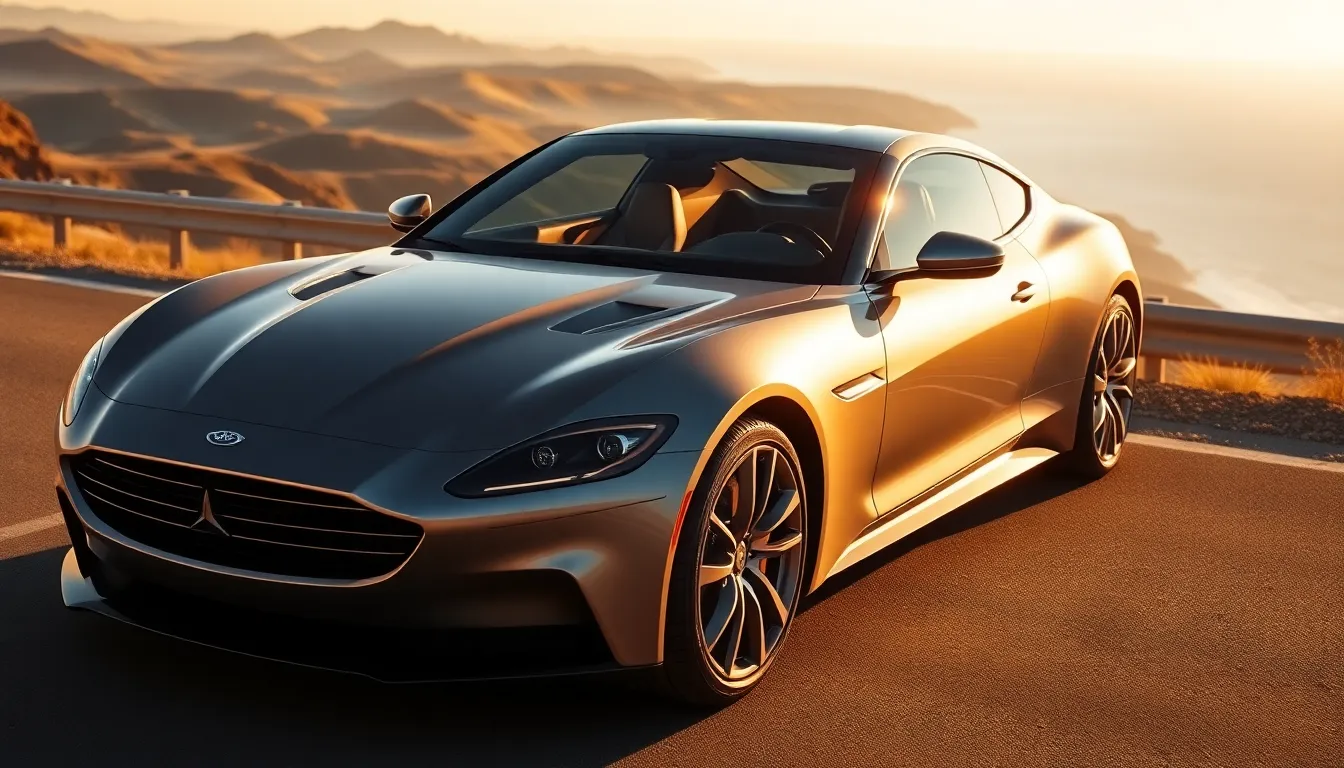
Gran Turismo examples represent some of the most celebrated automobiles in automotive history. These vehicles combine performance, luxury, and long-distance comfort in ways that few other car categories can match. The term “Gran Turismo” (or GT) comes from Italian, meaning “Grand Touring.” It describes cars built for high-speed travel across long distances without sacrificing driver comfort. From classic European sports coupes to modern performance machines, Gran Turismo cars have shaped how enthusiasts think about driving. This article explores the best Gran Turismo examples, what defines them, and how they differ from traditional sports cars.
Table of Contents
ToggleKey Takeaways
- Gran Turismo examples balance high performance with long-distance comfort, setting them apart from pure sports cars.
- Classic GT cars like the Ferrari 250 GTO, Aston Martin DB5, and Mercedes-Benz 300SL Gullwing defined the category and remain highly collectible today.
- Modern Gran Turismo examples include the Bentley Continental GT, Porsche 911 Turbo S, and Ferrari Roma, blending cutting-edge technology with traditional GT values.
- True GT cars feature powerful engines (typically 300+ horsepower), luxurious interiors, and practical luggage space for real-world usability.
- Unlike track-focused sports cars, Gran Turismo vehicles prioritize refined handling, daily drivability, and comfort for extended journeys.
What Makes a Car a Gran Turismo
A Gran Turismo car must meet specific criteria to earn the GT designation. These vehicles prioritize a balance between performance and comfort that pure sports cars often ignore.
Power and Speed
Gran Turismo examples typically feature powerful engines capable of sustained high-speed cruising. Most GT cars pack engines with 300 horsepower or more. They’re designed to maintain highway speeds effortlessly while still delivering exciting acceleration when needed.
Comfort for Long Journeys
Unlike stripped-down track cars, Gran Turismo vehicles offer comfortable interiors with quality materials. Leather seats, advanced climate control, and refined suspension systems are standard. A driver should be able to cover 500 miles in a day without feeling exhausted.
Two-Door Coupe Design
Most Gran Turismo examples feature a two-door coupe body style. This design reduces weight and improves aerodynamics while maintaining an elegant appearance. Some manufacturers have introduced four-door GT cars in recent years, but the classic coupe remains the standard.
Luggage Space
True Gran Turismo cars include practical cargo room. Weekend bags and luggage should fit without issue. This separates GT cars from pure sports cars that sacrifice storage for performance.
Refined Handling
GT cars handle well but don’t punish drivers with harsh ride quality. The suspension absorbs road imperfections while still providing engaging feedback through the steering wheel.
Classic Gran Turismo Examples
The history of Gran Turismo examples stretches back decades. Several classic models defined what a GT car should be.
Ferrari 250 GTO (1962-1964)
Many enthusiasts consider the Ferrari 250 GTO the greatest Gran Turismo example ever built. Ferrari produced only 36 units. Each featured a 3.0-liter V12 engine producing 300 horsepower. These cars dominated GT racing in the early 1960s. Today, 250 GTOs sell for over $50 million at auction.
Aston Martin DB5 (1963-1965)
The DB5 became famous through James Bond films, but its Gran Turismo credentials speak for themselves. Its 4.0-liter inline-six engine delivered 282 horsepower. The interior featured leather, wood trim, and all the luxury expected from a proper British GT.
Mercedes-Benz 300SL Gullwing (1954-1957)
The 300SL pioneered fuel injection technology in production cars. Its distinctive gullwing doors made it instantly recognizable. The 3.0-liter straight-six produced 215 horsepower, impressive for its era. This remains one of the most collectible Gran Turismo examples in existence.
Lamborghini Miura (1966-1973)
The Miura challenged conventions with its mid-engine layout. Its 4.0-liter V12 produced up to 385 horsepower in later versions. The stunning Bertone design influenced supercar aesthetics for decades.
Jaguar E-Type (1961-1975)
Enzo Ferrari reportedly called the E-Type the most beautiful car ever made. Its inline-six engine offered strong performance, and the long hood became an automotive icon. Gran Turismo examples don’t get more elegant than this.
Modern Gran Turismo Cars Worth Knowing
Contemporary automakers continue producing excellent Gran Turismo examples. These modern GTs blend cutting-edge technology with traditional GT values.
Bentley Continental GT
The Continental GT defines modern luxury grand touring. Its 6.0-liter W12 engine produces 650 horsepower. The interior rivals the finest luxury sedans with handcrafted leather and wood veneers. This car covers continents in supreme comfort.
Porsche 911 Turbo S
Porsche has built the 911 for over 60 years. The Turbo S variant delivers 640 horsepower from a twin-turbocharged flat-six. It accelerates from 0-60 mph in 2.6 seconds. Even though this performance, it remains practical enough for daily driving, a hallmark of Gran Turismo examples.
Mercedes-AMG GT
Mercedes revived the GT nameplate with this front-engine sports car. The handcrafted 4.0-liter V8 produces up to 577 horsepower. The long hood and muscular proportions recall classic GT design.
Aston Martin DB11
Aston Martin continues its DB legacy with the DB11. A 4.0-liter twin-turbo V8 or 5.2-liter twin-turbo V12 power this British GT. The interior combines modern technology with traditional craftsmanship.
Ferrari Roma
Ferrari positions the Roma as its purest Gran Turismo example in the current lineup. The 3.9-liter twin-turbo V8 produces 612 horsepower. Its clean, elegant design channels classic GT aesthetics.
Lexus LC 500
Lexus offers a more accessible Gran Turismo option with the LC 500. Its naturally aspirated 5.0-liter V8 produces 471 horsepower. Build quality and reliability make it a practical choice for those who want GT credentials without European maintenance costs.
How Gran Turismo Cars Differ From Sports Cars
People often confuse Gran Turismo examples with sports cars. While both categories share performance characteristics, important differences separate them.
Purpose
Sports cars prioritize track performance and driving excitement above all else. Gran Turismo cars balance performance with long-distance comfort. A sports car excels on a racetrack. A GT car excels on a cross-country road trip.
Comfort Level
Sports cars often feature stiff suspensions, minimal sound insulation, and basic interiors. Gran Turismo examples include plush seating, premium sound systems, and refined ride quality. After eight hours of driving, the difference becomes obvious.
Practicality
Most sports cars lack meaningful cargo space. Gran Turismo cars include trunks sized for actual luggage. Some even offer rear seats, though usually cramped ones.
Engine Placement
Sports cars often use mid-engine layouts for optimal weight distribution. Gran Turismo examples typically place engines in the front. This front-engine configuration creates space for luggage and improves highway stability.
Daily Usability
A Lotus Elise makes a poor daily driver. A Bentley Continental GT works perfectly for commuting, grocery runs, and weekend getaways. Gran Turismo examples adapt to real life. Sports cars demand compromises.
Price Range
Gran Turismo cars generally cost more than equivalent sports cars. The added luxury materials, sound insulation, and refinement increase production costs. Buyers pay a premium for the complete GT experience.