
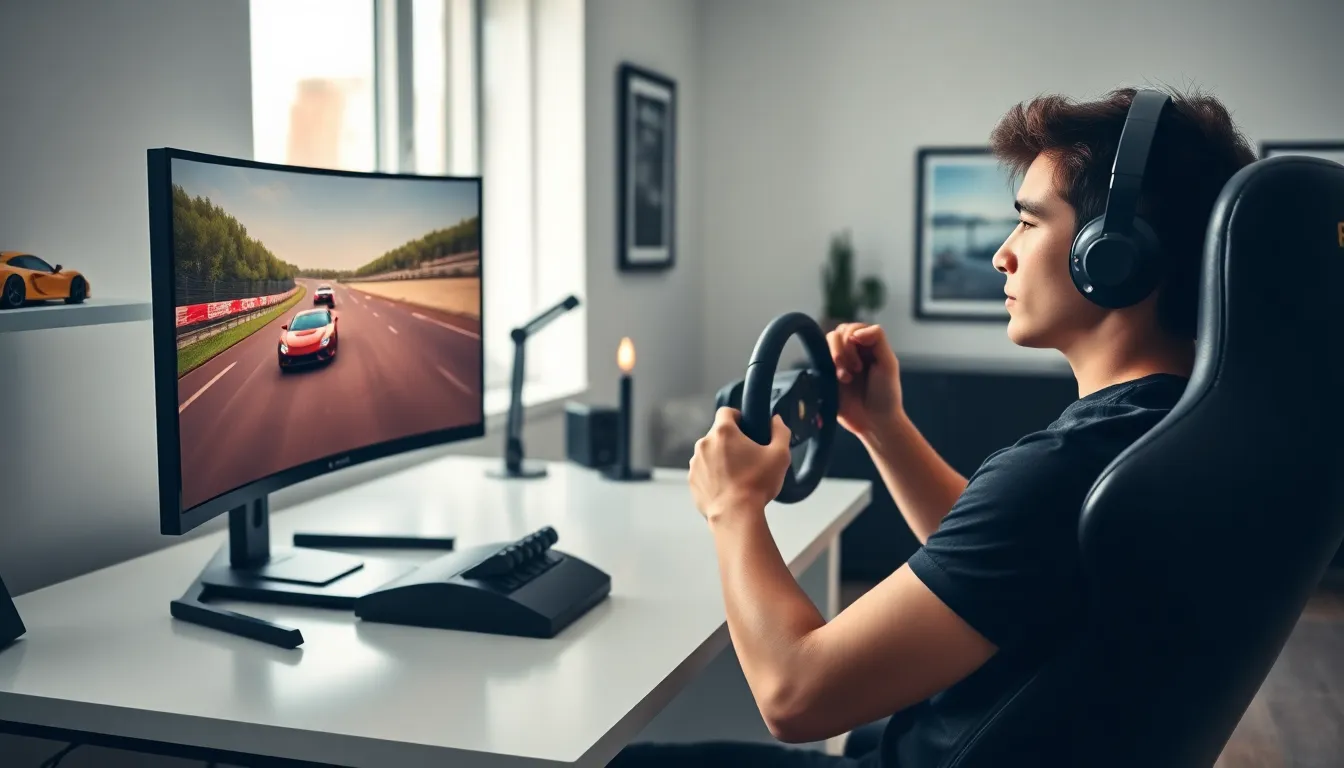
Learning how to Gran Turismo can feel overwhelming at first. The game offers hundreds of cars, dozens of tracks, and deep simulation mechanics that reward patience and practice. Whether players pick up Gran Turismo 7 or an earlier title, they’ll discover a racing experience that balances accessibility with authentic driving physics.
This guide breaks down everything new players need to know. From selecting a first car to mastering braking techniques, the following sections cover the essential skills that separate casual drivers from podium finishers. Gran Turismo rewards those who understand its systems, and this article provides the foundation to get started.
Table of Contents
ToggleKey Takeaways
- Complete the license tests first when learning how to Gran Turismo, as they build essential muscle memory for braking, cornering, and acceleration.
- Choose a mid-range sports car like the Mazda MX-5 or Toyota 86 for your second vehicle to learn proper technique without overwhelming speed.
- Master trail braking by braking in a straight line before turns, then gradually releasing while steering into the corner.
- Use the racing line assist initially to learn optimal cornering paths, then disable it once you internalize the concepts.
- Invest credits strategically in one versatile car that qualifies for multiple event types rather than several specialized vehicles.
- Watch replay footage and study ghost cars from top performers to identify mistakes and discover advanced techniques that save time.
Understanding the Basics of Gran Turismo
Gran Turismo operates as a racing simulator rather than an arcade game. This distinction matters because the physics model punishes reckless driving. Players who floor the throttle through every corner will spin out. Those who learn proper racing lines will shave seconds off their lap times.
The game includes several core modes. Sport Mode offers competitive online racing with a driver rating system. Campaign or Career Mode provides structured progression through license tests, missions, and championships. Players can also explore Brand Central to purchase new vehicles and visit the tuning shop to modify their cars.
Before jumping into races, players should complete the license tests. These tutorials teach fundamental skills like braking points, cornering, and acceleration timing. Many beginners skip these tests and struggle later. The licenses in Gran Turismo exist for a reason, they build muscle memory and introduce concepts that become second nature over time.
The game also tracks credits, which serve as in-game currency. Players earn credits by winning races, completing challenges, and achieving daily workout goals. Managing credits wisely allows for strategic car purchases and upgrades.
Choosing Your First Car and Getting Started
New players receive a starter car, but the choice of a second vehicle matters significantly. Gran Turismo offers cars across various performance categories, from slow economy vehicles to blazing-fast supercars. Beginners should resist the urge to buy the fastest option available.
A mid-range sports car provides the best learning experience. Cars like the Mazda MX-5, Toyota 86, or Honda Civic Type R offer responsive handling without overwhelming speed. These vehicles forgive minor mistakes while still requiring proper technique.
When purchasing a car in Gran Turismo, players should consider:
- Power-to-weight ratio: Lower numbers mean easier control
- Drivetrain type: Front-wheel drive cars understeer, rear-wheel drive cars oversteer, all-wheel drive offers balance
- Category restrictions: Many races require specific car types
After selecting a car, players should spend time in free practice. Learning how a specific vehicle handles before entering competitive races prevents frustration. Each car in Gran Turismo behaves differently based on its weight distribution, tire compound, and suspension setup.
Tuning also plays a role, though beginners should start with stock settings. Adding upgrades later provides a noticeable improvement, but understanding baseline performance comes first.
Mastering Driving Techniques and Controls
Gran Turismo rewards smooth inputs over aggressive ones. Jerky steering and sudden braking slow lap times. The best drivers apply gradual pressure to controls and maintain momentum through corners.
Braking Fundamentals
Braking represents the most important skill in Gran Turismo. Players should brake in a straight line before entering a turn, then release the brake gradually while turning in. This technique, called trail braking, keeps weight on the front tires and improves grip.
Reference points help with consistency. Players should identify landmarks on each track, signs, curbs, or shadows, that indicate when to start braking. Memorizing these points leads to faster, more consistent laps.
Cornering and Racing Lines
The racing line describes the optimal path through a corner. Generally, drivers should enter wide, hit the apex (inside point) at the middle of the turn, and exit wide. This approach maximizes the radius of the curve and allows for higher speeds.
Gran Turismo includes a racing line assist that displays the ideal path in different colors. Green means accelerate, yellow means coast, and red means brake. New players should enable this feature initially, then disable it once they internalize the concepts.
Throttle Control
Applying full throttle too early causes wheel spin and lost traction. Players should gradually increase throttle pressure as they unwind the steering wheel. In rear-wheel drive cars, aggressive acceleration mid-corner leads to oversteer and potential spins.
Progressing Through Career Mode and Earning Credits
Career Mode in Gran Turismo follows a structured progression system. Players complete events to earn credits and unlock new content. The mode groups races by difficulty and car class, creating a natural learning curve.
Early races use slower vehicles and shorter distances. This design allows beginners to practice without facing overwhelming competition. As players advance, they encounter faster cars, longer endurance events, and smarter AI opponents.
Credits accumulate through several activities:
- Race winnings: Higher-difficulty races pay more
- Clean race bonuses: Avoiding contact with walls and opponents adds extra credits
- Daily workouts: Logging miles each day provides bonus rewards
- License tests: Completing tests with gold ratings yields significant payouts
Players should invest credits strategically. Buying one versatile car that qualifies for multiple event types makes more sense than purchasing several specialized vehicles early on. The credits saved can fund upgrades that improve performance across all races.
Gran Turismo also features a roulette ticket system that awards random prizes. These tickets appear after completing certain events and can provide cars, credits, or tuning parts. Collecting and redeeming tickets regularly accelerates progression.
Tips for Improving Your Racing Skills
Improvement in Gran Turismo comes from deliberate practice rather than mindless repetition. Players who analyze their mistakes progress faster than those who simply run laps.
Watch replay footage after races. Gran Turismo includes a replay system that shows exactly what happened during each lap. Players can identify corners where they lost time, braking points that need adjustment, and racing lines that could improve.
Study faster drivers. The game displays ghost cars from top performers on each track. Racing against these ghosts reveals advanced techniques and alternative lines that save time. Many players discover entirely new approaches by following faster competitors.
Experiment with controller sensitivity settings. Gran Turismo allows customization of steering response, brake sensitivity, and throttle curves. Small adjustments can significantly impact how a car feels. Players should try different configurations until they find settings that match their preferences.
Consider using a racing wheel. While Gran Turismo plays well on a standard controller, a wheel and pedal setup provides more precise control and greater immersion. The investment pays off for players who commit to long-term improvement.
Practice one track at a time. Mastering a single circuit builds transferable skills. Once a player can consistently hit their marks on one track, applying those techniques elsewhere becomes easier. Deep knowledge of a few tracks beats surface-level familiarity with many.