
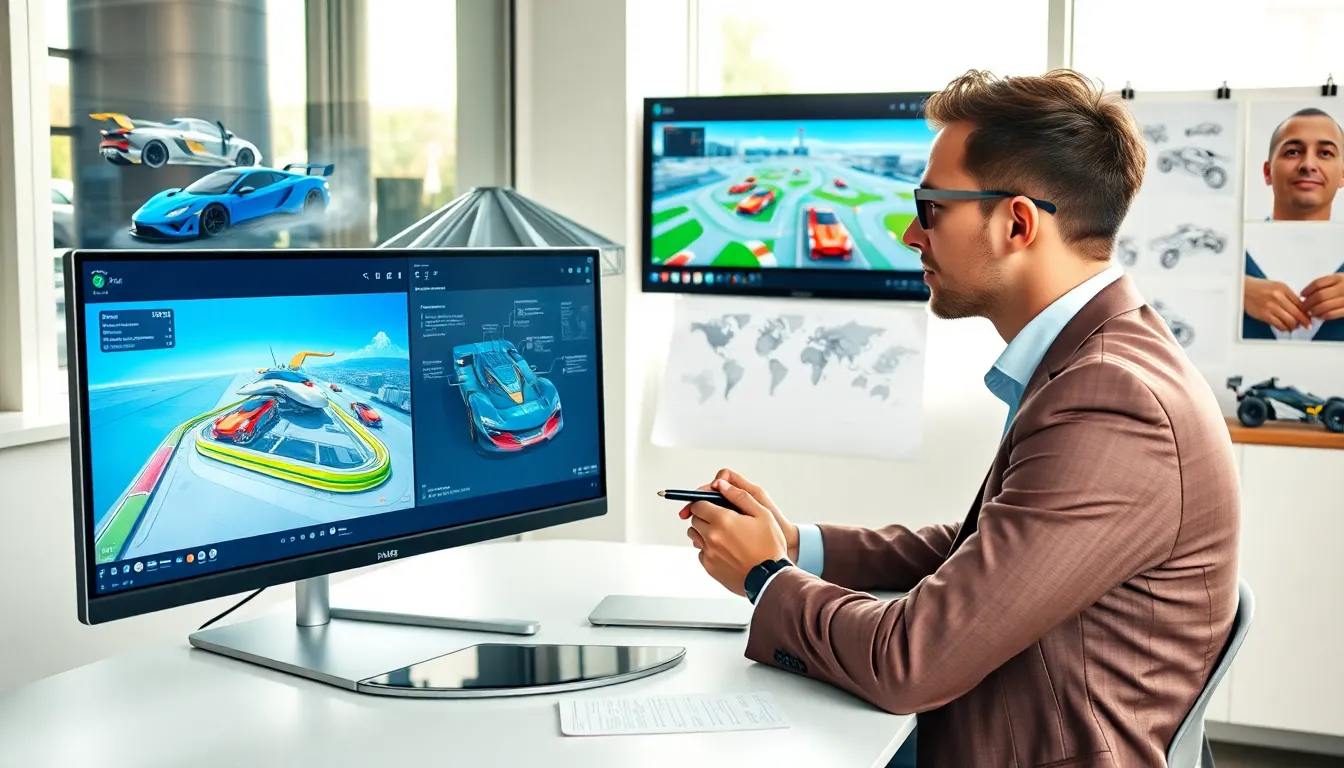
Racing games ideas can transform a simple concept into a memorable gaming experience. Developers and enthusiasts constantly search for fresh approaches to stand out in a competitive market. The genre offers endless possibilities, from futuristic hover vehicles to unconventional race settings. This guide presents actionable racing games ideas that blend creativity with player engagement. Whether building a solo project or pitching to a studio, these concepts provide a solid foundation for success.
Table of Contents
ToggleKey Takeaways
- Strong racing games ideas start with distinctive themes like post-apocalyptic wastelands, underwater environments, or microscopic worlds to capture player attention.
- Innovative mechanics such as vehicle transformation, dynamic weather systems, and destructible environments keep gameplay fresh and unpredictable.
- Multiplayer features like team-based racing, spectator interaction, and user-generated tracks build lasting community engagement.
- Deep customization options including visual personalization, performance tuning, and driver progression dramatically enhance replayability.
- Combining creative settings with engaging mechanics helps racing games ideas stand out in a competitive gaming market.
Unique Racing Game Themes to Explore
Theme selection shapes the entire player experience. Strong racing games ideas start with a distinctive setting that captures attention immediately.
Post-Apocalyptic Wastelands
Players race through destroyed cities and barren deserts. Vehicles feature makeshift armor and scavenged parts. This theme allows for environmental hazards like collapsed buildings and toxic zones. Games like Mad Max proved this aesthetic resonates with audiences.
Underwater Racing
Submarine-style vehicles compete in deep ocean environments. Coral reefs, shipwrecks, and underwater caves create natural tracks. Pressure mechanics and oxygen management add strategic depth. This underexplored setting offers significant creative freedom.
Time Period Mashups
Imagine Roman chariots racing against steampunk motorcycles. Different historical eras collide in a single competition. Each era brings unique vehicle physics and visual styles. This approach generates immediate curiosity and allows diverse track designs.
Microscopic Worlds
Racers shrink down to insect size. Kitchen counters, garden beds, and household items become massive tracks. A coffee mug transforms into a dangerous obstacle. This perspective shift creates familiar environments that feel completely new.
Living Ecosystems
Tracks exist on giant creatures or moving landscapes. Racing across a whale’s back or through a walking forest adds unpredictability. The environment shifts during races, forcing constant adaptation.
Innovative Gameplay Mechanics Worth Considering
Mechanics define how racing games ideas translate into actual fun. The best concepts introduce systems players haven’t experienced before.
Dynamic Weather Systems
Weather changes mid-race and affects vehicle handling. Rain creates hydroplaning risks. Snow demands slower cornering. Sandstorms reduce visibility to near zero. These shifts keep races unpredictable across multiple playthroughs.
Vehicle Transformation
Cars convert to boats, planes, or submarines during races. Track sections require specific vehicle modes. Players must time transformations perfectly to maintain speed. Sonic & All-Stars Racing Transformed demonstrated this mechanic’s appeal.
Crew Management
Pit crews operate in real-time during races. Players balance driving with issuing repair commands. Tire changes and fuel stops require strategic timing. This layer adds management depth without abandoning racing fundamentals.
Destructible Environments
Buildings collapse. Bridges break. Entire track sections become inaccessible after certain laps. First-place racers enjoy intact paths while trailing drivers face obstacles. This creates natural catch-up opportunities.
Physics-Based Puzzles
Certain track sections require physics manipulation. Players adjust vehicle weight distribution or use momentum-based shortcuts. Skill expression extends beyond steering and acceleration.
Multiplayer and Social Features That Engage Players
Modern racing games ideas must address community expectations. Players want connection and competition beyond single-player modes.
Asynchronous Competitions
Ghost data from friends appears during solo races. Weekly leaderboards track specific track times. Players compete without scheduling conflicts. This approach works well for casual audiences with limited gaming time.
Team-Based Racing
Squads of 2-4 players share resources during races. One teammate might sacrifice position to block opponents. Drafting bonuses increase for coordinated teams. Victory depends on collective performance rather than individual standings.
Spectator Interaction
Viewers influence live races through voting systems. They trigger track hazards or provide temporary boosts. Streamers benefit from audience engagement. This feature builds community around competitive events.
User-Generated Tracks
Players design and share custom tracks. Rating systems surface the best community creations. Featured tracks rotate into official playlists. TrackMania proved this approach extends game lifespan dramatically.
Seasonal Events
Limited-time tournaments offer exclusive rewards. Holiday-themed tracks and vehicles drive player return visits. Seasonal rankings reset progression and renew competition.
Customization Options to Enhance Replayability
Customization keeps players invested long after initial excitement fades. Strong racing games ideas include systems that reward continued play.
Visual Personalization
Paint jobs, decals, and body kits let players express identity. Unlockable cosmetics tied to achievements provide goals. Rare items from difficult challenges carry status. A well-designed livery editor becomes a feature players spend hours using.
Performance Tuning
Engine upgrades, suspension adjustments, and tire selections affect handling. Players optimize vehicles for specific track types. Trade-offs between speed and control create meaningful decisions. Tuning garages should feel accessible to newcomers while offering depth for veterans.
Driver Progression
Skill trees unlock special abilities over time. Experience points reward consistent play. Prestige systems offer reset options with permanent bonuses. Character development adds RPG elements without overwhelming the core racing loop.
Vehicle Unlocks
New cars become available through championship victories. Each vehicle class handles differently. Collection aspects motivate completionist players. Hidden vehicles tied to secret achievements spark community discussion.
Garage Displays
Players showcase their collections in virtual spaces. Visitors can view garages and leave comments. Social features transform personal collections into shareable content.