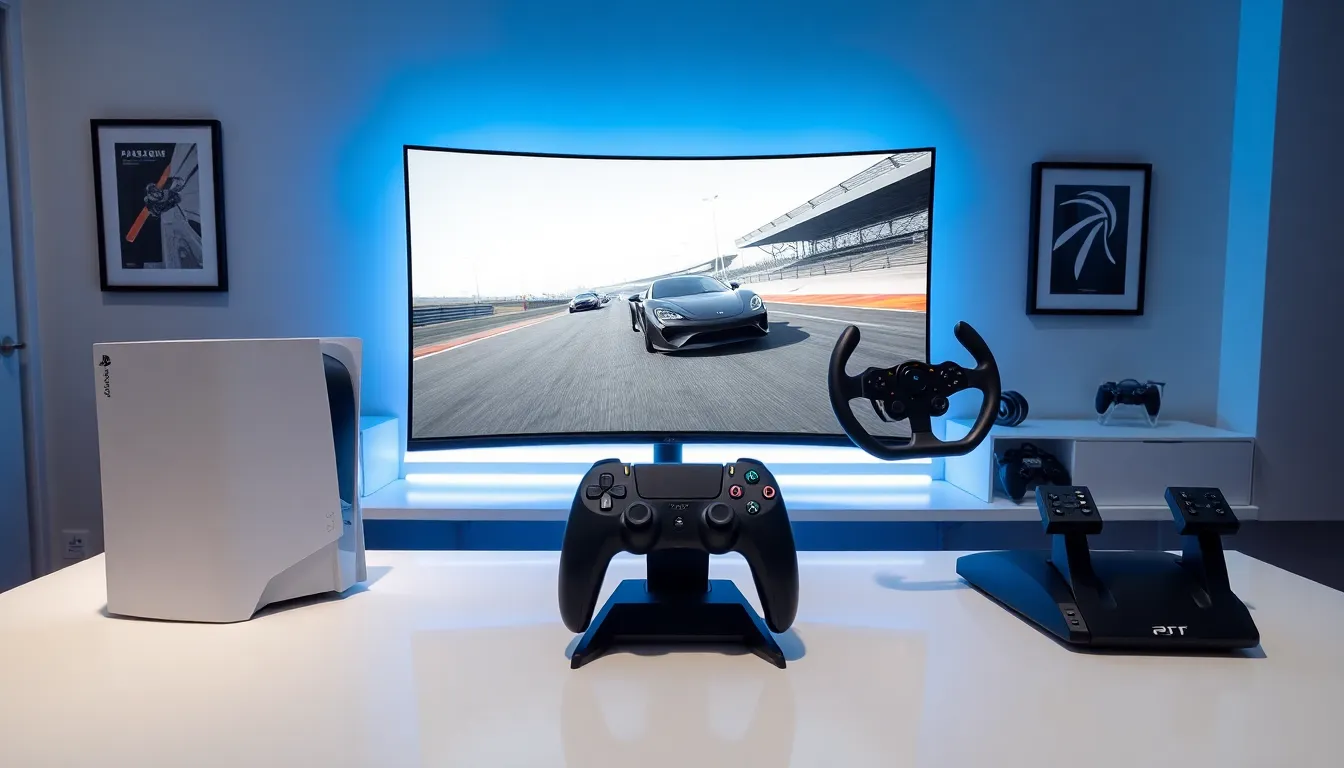
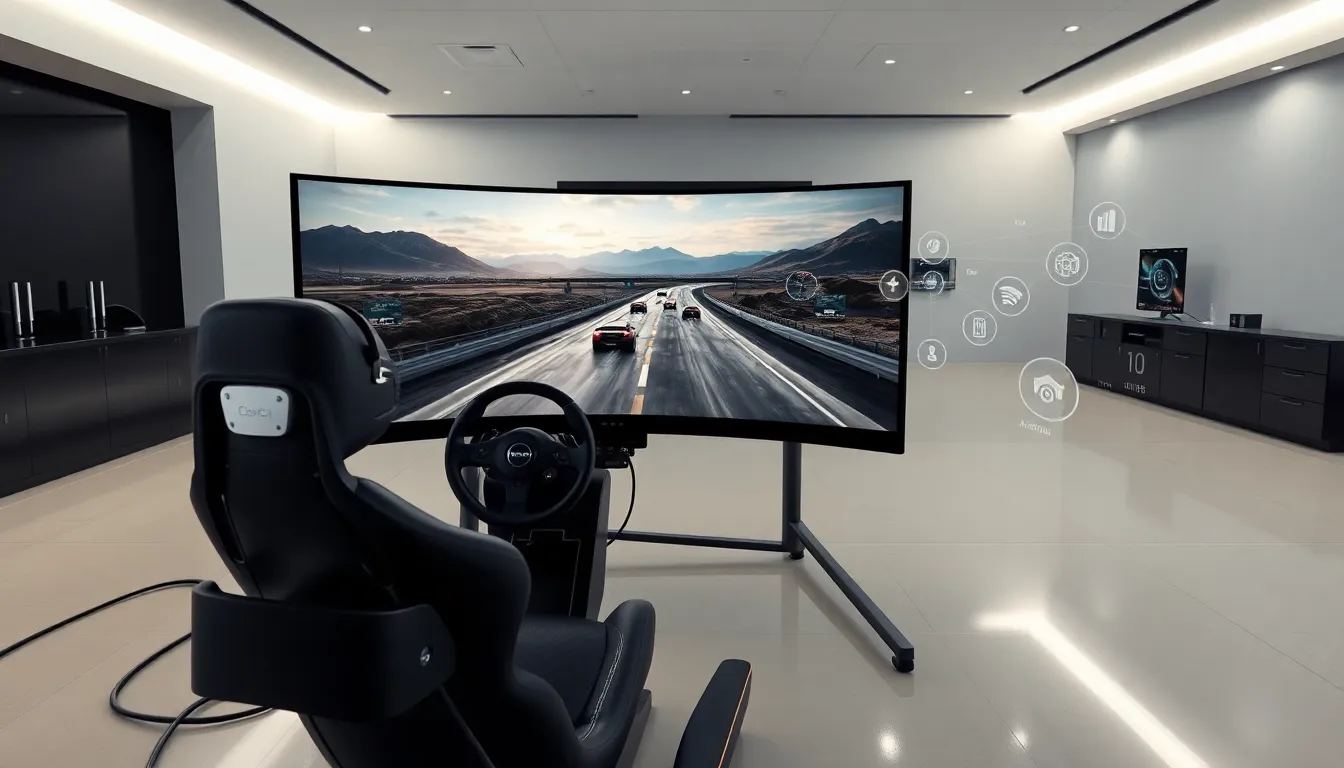
Racing games trends 2026 point toward a major shift in how players experience speed, competition, and immersion. The genre has always pushed hardware limits, but the coming year promises something different. Developers are building smarter AI opponents, larger open worlds, and seamless cross-platform features. Graphics technology continues to advance, and immersive hardware like VR headsets is finally hitting its stride. For fans of high-speed gameplay, 2026 looks like a turning point. This article breaks down the key racing games trends 2026 will bring and explains why each one matters.
Table of Contents
ToggleKey Takeaways
- Racing games trends 2026 highlight AI opponents that learn player behavior and adapt strategies in real time for more dynamic, competitive races.
- Open-world racing experiences will feature denser environments, dynamic events, and non-linear progression systems that reward exploration.
- Cross-platform play becomes the standard in 2026, with unified accounts allowing seamless progression across PC, consoles, and mobile devices.
- Next-generation graphics including real-time ray tracing and photorealistic car models push visual fidelity to new heights.
- VR headsets, haptic feedback, and 3D spatial audio combine to create immersive racing experiences that feel closer to real driving than ever before.
- Live service models are maturing with more generous seasonal content, user-generated features, and community-driven events that extend game longevity.
AI-Driven Opponents and Adaptive Difficulty
Artificial intelligence in racing games has come a long way from rubber-banding mechanics and predictable lap times. In 2026, racing games trends point toward AI opponents that learn, adapt, and challenge players in fresh ways.
Machine learning models now allow in-game drivers to study player behavior. If someone consistently brakes late into hairpin turns, AI opponents will adjust their defensive lines. If a player dominates straightaways but struggles in wet conditions, the AI can exploit that weakness. This creates races that feel dynamic rather than scripted.
Adaptive difficulty is another major piece of this trend. Traditional difficulty settings, easy, medium, hard, are giving way to systems that adjust in real time. Players no longer need to restart a race because the AI is too aggressive or too passive. The game calibrates itself to keep races competitive without feeling unfair.
Several studios have already previewed these features. Racing games trends 2026 suggest that major franchises will adopt similar systems. The goal is simple: every race should feel earned, not handed over or stolen by cheap AI tricks.
This shift also affects single-player career modes. AI teammates and rivals can develop personalities over time, remembering past encounters and adjusting their aggression levels. A rival who lost to the player three races in a row might take bigger risks. A teammate who was blocked unfairly might hesitate to offer drafting assistance later.
For competitive players, this means practice sessions will feel more valuable. Training against AI that mimics human tendencies prepares players for online multiplayer better than static bots ever could. Racing games trends 2026 make AI opponents a core feature rather than an afterthought.
Expanded Open-World Racing Experiences
Open-world racing games have grown steadily over the past decade. In 2026, that growth accelerates. Developers are creating larger, more detailed environments where driving itself becomes the reward.
Map size is only part of the story. Racing games trends 2026 emphasize density and variety. Players want cities with winding alleyways, mountain roads with dangerous switchbacks, and coastal highways with changing weather. A big empty map doesn’t impress anyone anymore.
Dynamic events add another layer. Instead of static race markers on a map, players might stumble into impromptu street races, police chases, or time-limited challenges. These events pop up based on location, time of day, and player history. The world feels alive rather than waiting for input.
Progression systems are also evolving. Open-world racing games trends 2026 show a move away from linear unlock paths. Players can choose to specialize in drift events, off-road challenges, or circuit racing. The game rewards exploration and experimentation rather than grinding through a fixed sequence.
Environmental storytelling is gaining traction too. Abandoned warehouses might hint at underground racing culture. A crashed car on a cliffside road tells its own story. These details add atmosphere without interrupting gameplay.
Multiplayer integration within open worlds is improving as well. Shared servers allow players to encounter others organically while exploring. Someone practicing a mountain route might see another driver attempt the same corner. This blurs the line between single-player and multiplayer in ways that feel natural.
Racing games trends 2026 suggest that open-world experiences will become the default rather than the exception. Players expect freedom, and developers are delivering.
Cross-Platform Play and Live Service Evolution
Cross-platform play is no longer a novelty. It’s an expectation. Racing games trends 2026 show that nearly every major release will support play across PC, consoles, and in some cases mobile devices.
The benefits are obvious. Larger player pools mean faster matchmaking and more competitive races. Friends on different platforms can finally race together without workarounds. This shift has been building for years, but 2026 looks like the tipping point where holdouts join the crowd.
Live service models continue to shape racing games as well. Seasonal content drops, battle passes, and rotating events keep players engaged between major releases. Racing games trends 2026 indicate that these systems will become more generous. Studios are learning that aggressive monetization drives players away.
Content variety is expanding within live service frameworks. New tracks, cars, and cosmetics arrive regularly, but so do limited-time game modes. A week-long elimination tournament or a special weather event can refresh a game months after launch.
Community features are improving too. In-game tools let players create custom races, share liveries, and build tracks. The best user-generated content gets featured in official playlists. This approach extends a game’s lifespan and builds loyalty.
Progression across platforms is another key trend. Players want their unlocks, rankings, and purchases to follow them regardless of device. Racing games trends 2026 show studios investing in unified account systems that make switching platforms painless.
The live service model isn’t perfect, but it’s maturing. Players benefit from ongoing support, and studios benefit from sustained revenue. When done well, everyone wins.
Next-Generation Graphics and Immersive Technologies
Visual fidelity in racing games has always been a selling point. In 2026, that bar rises again. Racing games trends 2026 show developers pushing real-time ray tracing, photorealistic car models, and environments that react to lighting conditions in stunning ways.
Ray tracing transforms reflections and shadows. A wet track under stadium lights looks dramatically different from the same track at sunset. Car paint finishes reflect surrounding scenery accurately. These details matter to players who spend hours staring at their vehicles.
Frame rates remain a priority. Many players prefer 60 or 120 frames per second over maximum visual settings. Racing games trends 2026 suggest that performance modes will become standard, giving players control over the tradeoff between smoothness and detail.
Virtual reality is finally gaining momentum in racing. Headsets are lighter, latency is lower, and motion sickness issues are improving. Sitting in a cockpit view with full head tracking creates an experience flat screens can’t match. Sim racing enthusiasts have embraced VR for years, but mainstream adoption is growing.
Haptic feedback adds another dimension. Controllers and steering wheels communicate road texture, tire slip, and engine vibration through physical sensation. Racing games trends 2026 show increased investment in this area. The goal is to make players feel the car, not just see it.
3D audio is often overlooked but equally important. Engine sounds that shift based on perspective, tire squeals that bounce off tunnel walls, and crowd noise that builds during final laps all contribute to immersion. Racing games trends 2026 prioritize spatial audio as hardware support expands.
These technologies work best together. A VR headset with haptic feedback and 3D audio creates something close to the real thing. That’s where racing games are headed.